

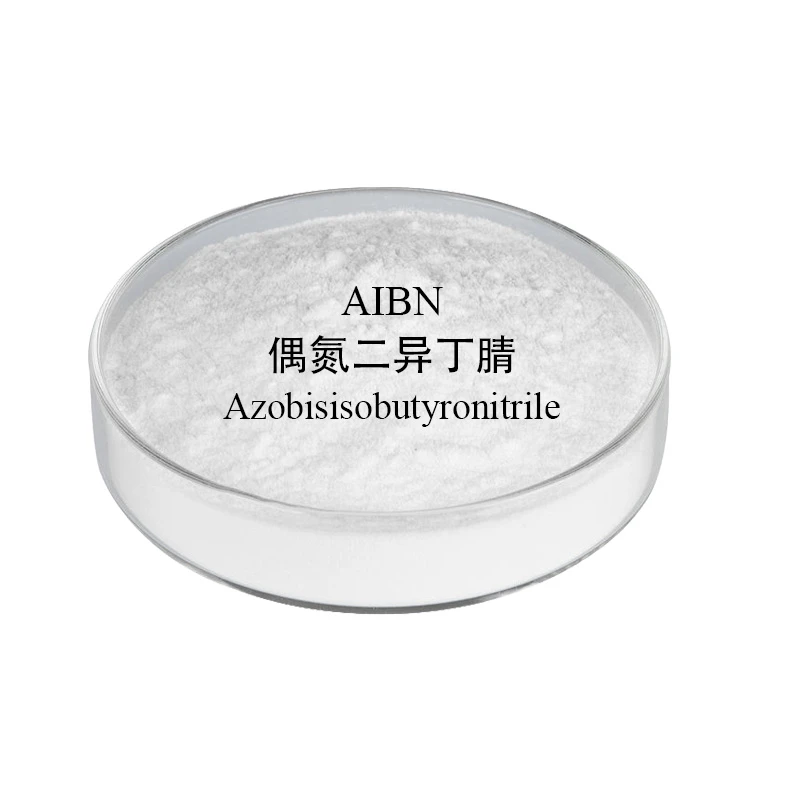
Ethanol CAS 78-67-1
Product Detail Description
Product Specifications
|
English Name |
Azobisisobutyronitrile |
|
Synonym |
AIBN, 2,2'-Azobis(2-methylpropionitrile), Blowing Agent N |
|
CAS No. |
78-67-1 |
|
HS Code |
2927000090 |
|
EC No. (EINECS) |
201-132-3 |
|
Molecular Formula |
C₈H₁₂N₄ |
|
Molecular Weight |
164.21 |
|
Appearance |
Liquid |
|
Melting Point |
102~104℃ |
|
Boiling Point |
Decomposes on heating |
Product Overview
Azobisisobutyronitrile (AIBN) is a typical azo-type free radical initiator. When heated, it decomposes to generate free radicals and releases nitrogen gas, thereby initiating free radical polymerization reactions. Its decomposition behavior is stable and easy to control, making it widely used in the polymer, resin, and fine chemical industries. Typically heated at 60–80°C, AIBN undergoes homolytic cleavage of the azo bond with smooth and predictable reaction progression, making it suitable for most industrial polymerization systems.
Due to its symmetrical molecular structure and single radical generation pathway, AIBN effectively reduces side reactions and enables precise control of molecular weight distribution. In industrial production, it is commonly used in acrylic resins, styrene polymerization, acrylonitrile production, synthetic rubber, and various functional polymer materials.
Product Description
Product Features
AIBN is an azo compound that decomposes upon heating to generate free radicals and nitrogen gas. The decomposition temperature is typically 60–80°C, with a stable and controllable reaction profile.
- Controlled decomposition behavior
- Stable radical generation efficiency
- Low side reactions
- Broad process adaptability
.
Product Advantages
Compared with peroxide initiators, AIBN offers several practical advantages in industrial applications:
- Milder and more controllable reaction process, improving safety
- More uniform radical generation
- Better molecular weight control
- Clean system with nitrogen as the main by-product
- Suitable for solution, bulk, and emulsion polymerization
Buyer Benefits
Using high-purity AIBN helps customers achieve improved production performance:
- Higher polymerization efficiency and shorter reaction cycles
- Improved molecular weight distribution consistency
- Reduced side reactions and gel formation
- Better final product performance (clarity, strength, stability)
- Lower process adjustment and energy costs
Evidence or Case Studies
Industrial applications in acrylic and styrene systems show that AIBN usage can lead to:
- Improved process stability
- Reduced batch-to-batch variation
- Narrower molecular weight distribution
- Lower impurity and by-product formation
Since nitrogen is the main decomposition product, residue levels are low, making it suitable for high-purity resins and functional materials.

Call to Action
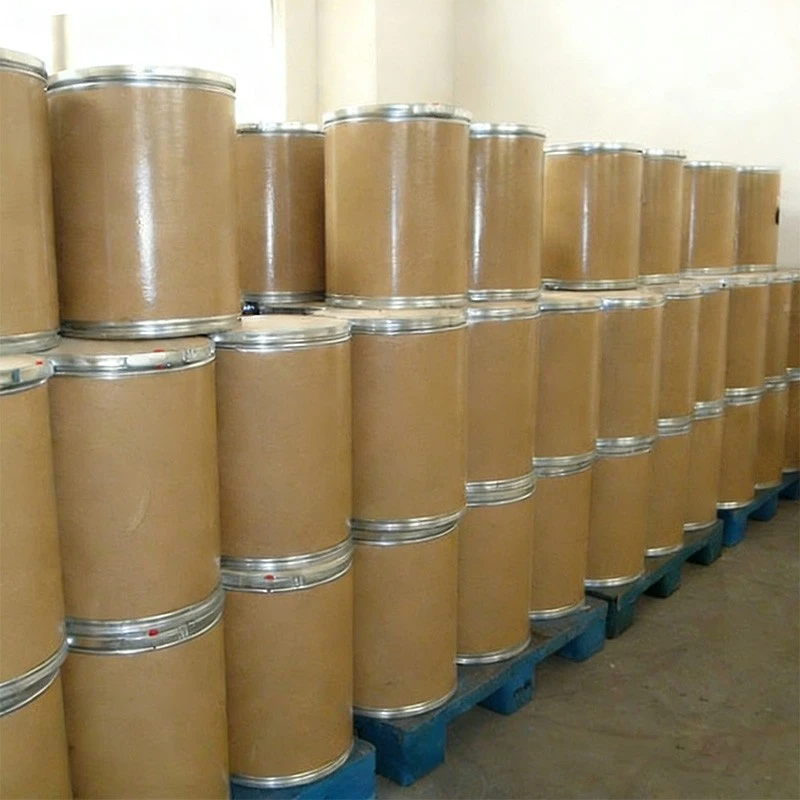
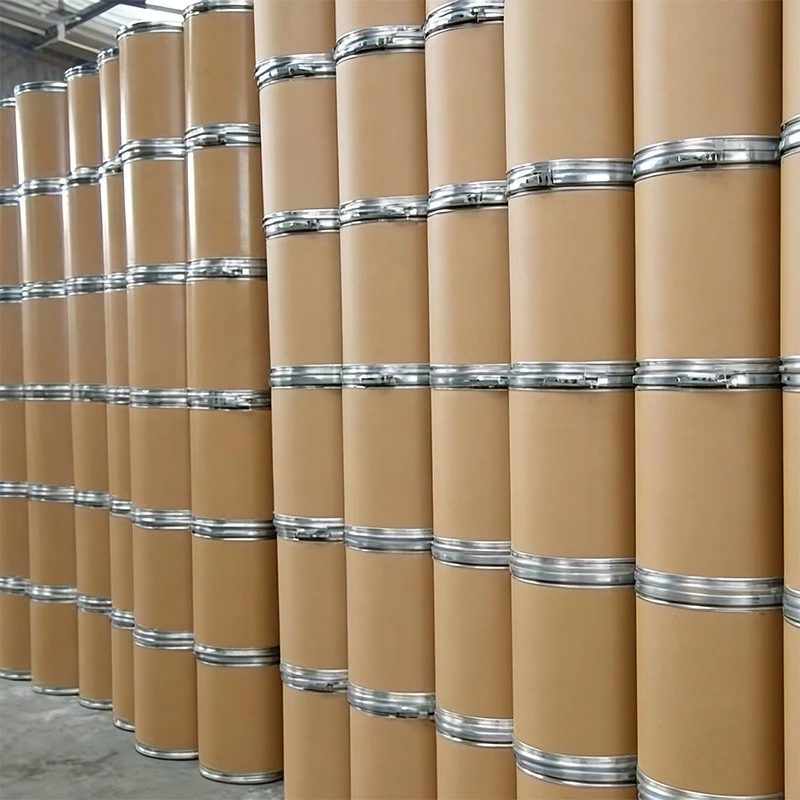
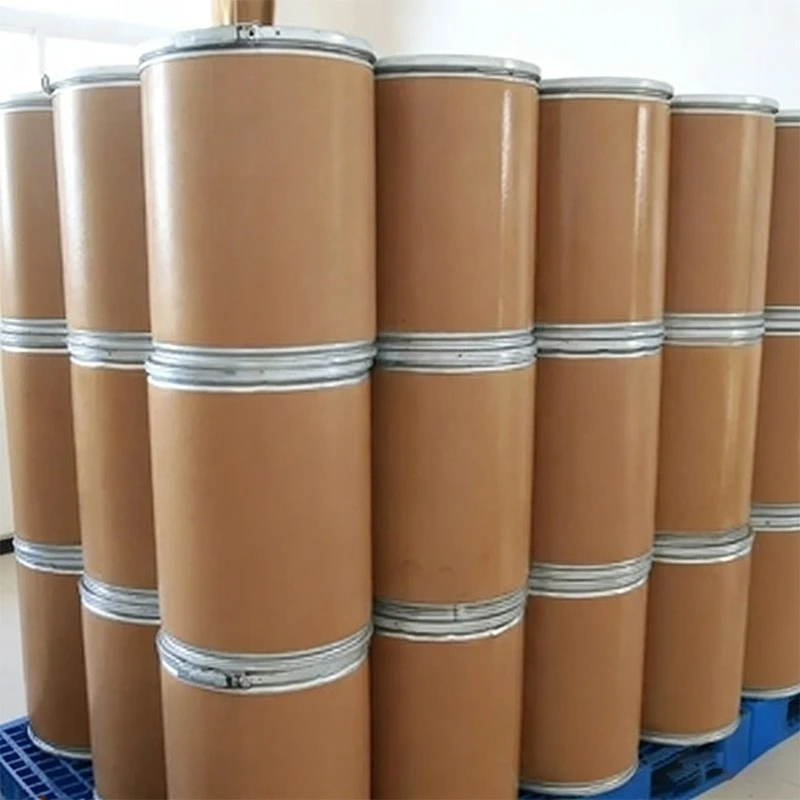
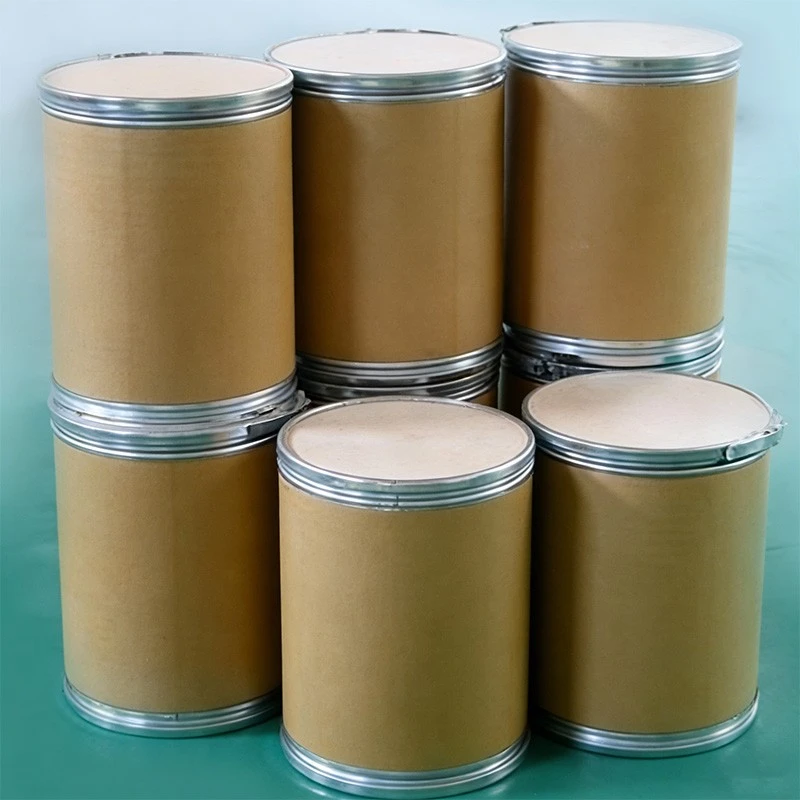
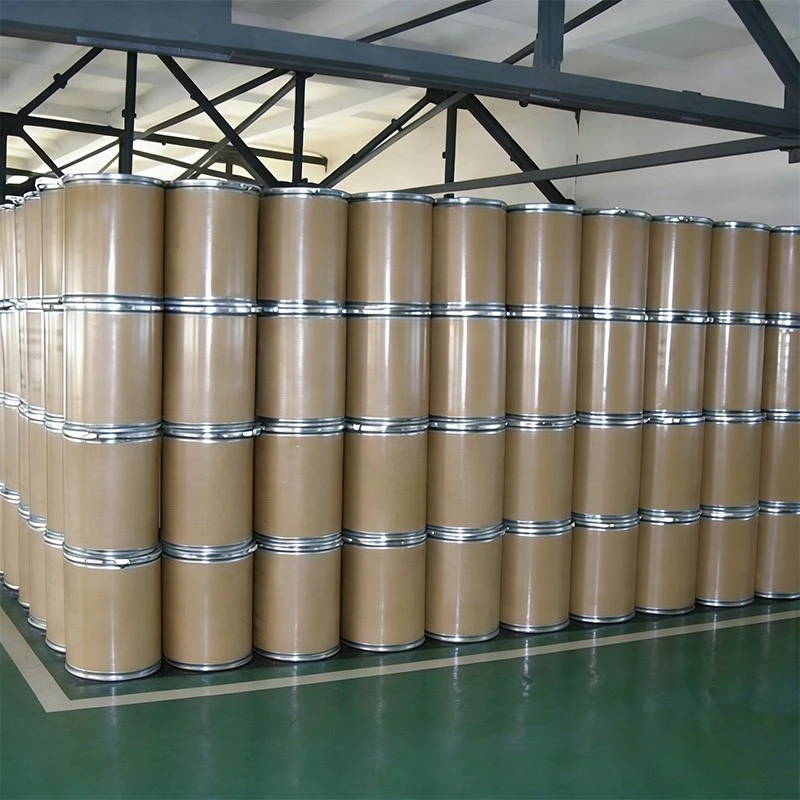
If you are looking for a reliable supplier of high-purity Azobisisobutyronitrile (AIBN), we can provide consistent quality, flexible packaging solutions, and stable global supply to support your polymer production with improved efficiency and product performance.
FAQ
Q: 1: What industries use AIBN?
A: AIBN is mainly used in resins, coatings, plastics, rubber, and polymer materials.
Q: 2: What is the decomposition temperature of AIBN?
A: It typically decomposes stably within the range of 60–80°C.
Q: 3: What are the advantages of AIBN compared with peroxides?
A: It offers better control, milder reaction behavior, and fewer side products.
Q: 4: Does purity affect performance?
A: Yes. Higher purity improves reaction stability and molecular weight control.
Q: 5: Do you support bulk supply?
A: Yes, we support industrial-scale bulk supply and customized packaging solutions.
Hot Tags: aibn, China aibn manufacturers, factory, AIBN, CAS 78 67 1, initiators


