

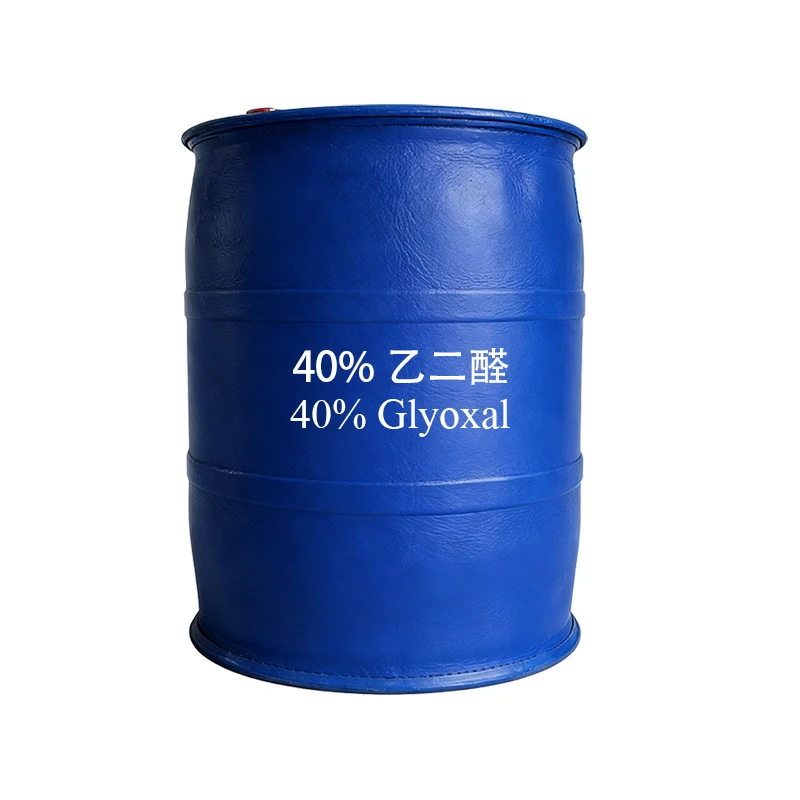
Ethanol CAS 107-22-2
Product Detail Description
Product Specifications
|
English Name |
Glyoxal |
|
Synonym |
Glyoxal, Glyoxal aqueous solution |
|
CAS No. |
107-22-2 |
|
HS Code |
2912190001 |
|
EC No. (EINECS) |
203-474-9 |
|
Molecular Formula |
C₂H₂O₂ |
|
Molecular Weight |
58.04 |
|
Appearance |
Liquid |
|
Flash Point |
104℃ |
|
Melting Point |
14℃ |
|
Boiling Point |
51℃ (decomposes) |
Product Overview
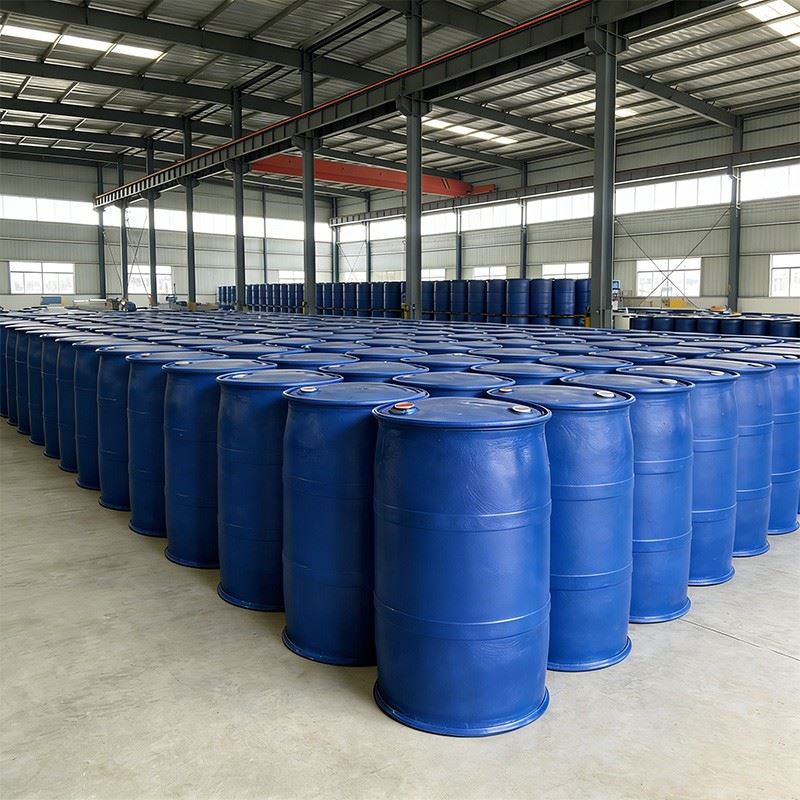
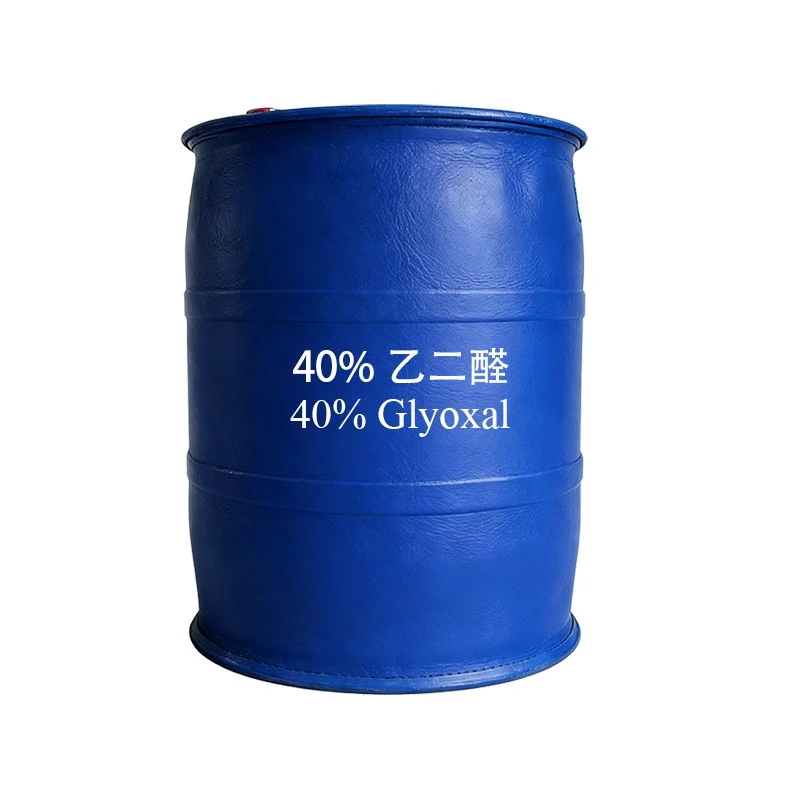
40% Glyoxal (40% glyoxal solution) is the simplest aliphatic dialdehyde, typically supplied as a stable aqueous solution. Due to the presence of two aldehyde groups in its molecular structure, glyoxal aqueous solution exists mainly in hydrated form in water, which reduces volatility and improves storage stability compared to free aldehydes.
In chemical reactions, glyoxal can react with functional groups such as amino (–NH₂) and hydroxyl (–OH), forming stable crosslinked networks. Therefore, it is widely used in polymer modification, fiber reinforcement, and functional material production.
Product Description
Features
40% stable aqueous solution with industrial-grade quality
Dialdehyde structure with high reactivity
Fully water-soluble with excellent compatibility
Controlled reactivity with fewer side reactions
Good stability under proper storage conditions
Advantages
Compared with mono-aldehyde crosslinking agents, 40% glyoxal contains two active functional groups, enabling multi-point crosslinking and the formation of a denser molecular structure in final materials.
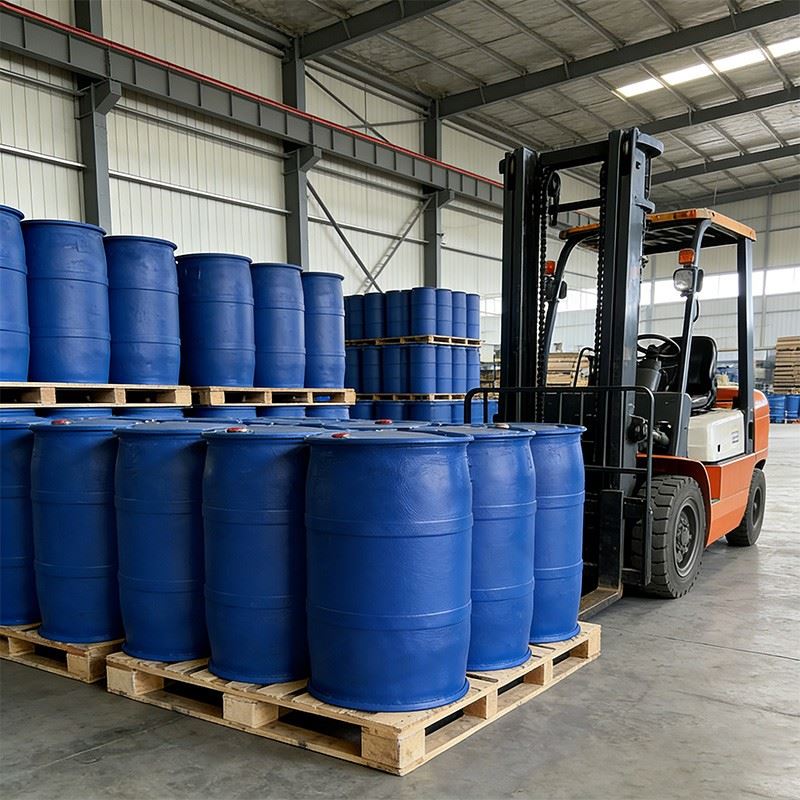
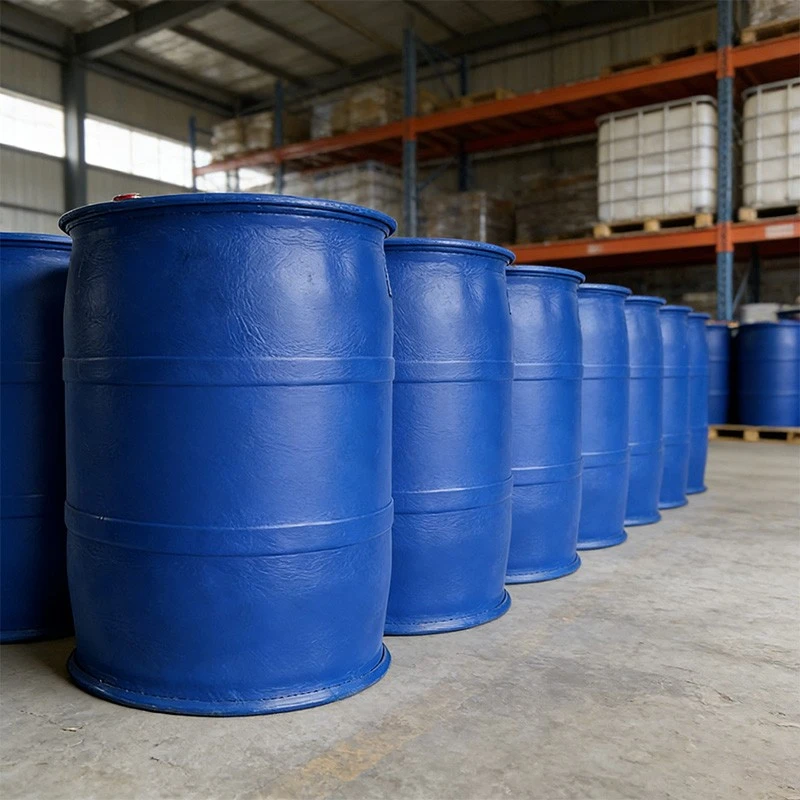
Its aqueous form improves handling safety and reduces volatility losses during storage and transportation. In practical applications, it achieves high crosslinking efficiency at relatively low dosage, helping reduce overall formulation costs.
Benefits for Customers
Improves paper wet strength and tear resistance
Enhances wrinkle resistance and dimensional stability in textiles
Strengthens mechanical properties of resin systems
Reduces production costs through lower dosage
Ensures a stable and reliable raw material supply
Evidence or Case Studies
In paper manufacturing, glyoxal is commonly used together with polyacrylamide systems to enhance fiber bonding strength, forming a stable crosslinked network and improving wet strength performance.
In textile finishing, glyoxal reacts with cellulose through acetal formation, helping fabrics maintain shape stability even after repeated washing cycles.
Industrial applications have shown that 40% glyoxal aqueous solution is widely and consistently used in the global paper and fine chemical industries, with mature and well-established processing systems.

Call to Action
If you are looking for a stable and highly reactive 40% glyoxal solution, we can provide technical data, tailored solutions, and global export support. Contact us anytime for quotation or sample requests.
FAQ
Q1: What industries commonly use 40% glyoxal?
A: It is mainly used in the paper, textile, resin modification, and fine chemical industries.
Q2: Is glyoxal stable during storage?
A: Yes. In 40% aqueous form and under proper storage conditions, it maintains good stability over time.
Q3: Why does glyoxal have crosslinking ability?
A: Because it contains two aldehyde groups that can react with amino and hydroxyl groups to form stable crosslinked structures.
Q4: What is the difference between glyoxal and formaldehyde?
A: Glyoxal aqueous solution has a dialdehyde structure with lower volatility and more controllable reactivity, making it more suitable for functional material modification.
Q5: What storage conditions are recommended?
A: Avoid high temperature, strong alkalis, and direct sunlight. Keep containers sealed.
Hot Tags: glyoxal 40%, China glyoxal 40% manufacturers, factory, aldehydes, CAS 107 22 2, Crosslinking Agent, Glyoxal 40


